Selenium yeast
BioSE
Choose selenium with the complete mineral budget in view.
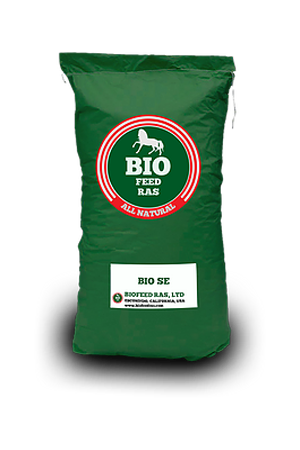
A microencapsulated selenium-yeast product described as predominantly L(+)-selenomethionine. For premix and nutrition teams comparing selenium form, retention and animal response.
Selenium form & handling
The original describes L(+)-selenomethionine as the form also found in grains and grasses. It claims better absorption, retention and utilisation, with low dust and a reduced respiratory hazard. The page does not give selenium concentration or a quantitative handling assessment.
Poultry & swine observations
The supplier reports 3–4 additional chicks per breeder hen over the productive lifetime, attributed to hatchability and chick livability. For swine it describes lower drip loss, redder meat, tenderness, juiciness, flavour and lower fat. No trial design, baseline or statistical analysis accompanies these observations on the page.
Cattle observations
The original reports udder-health and somatic-cell-count observations and claims concerning mastitis, calf mortality and retained placenta. These are supplier observations, not guaranteed outcomes or approved disease indications. Assess selenium intake from the whole diet with the nutrition and veterinary teams.
Before your technical evaluation
Request total selenium, organic selenium and selenomethionine percentages, batch analysis, recommended dose and maximum total dietary selenium applicable to the target species and market.
This guide preserves the product information on the original Biofeed Ras website. A downloadable product specification was not linked there. Request the current technical sheet, label and Vietnam supply terms from our team.
THE NEXT STEP
Put the specification beside your ration.
Request total selenium, organic selenium and selenomethionine percentages, batch analysis, recommended dose and maximum total dietary selenium applicable to the target species and market.