Fodder & feed ingredients
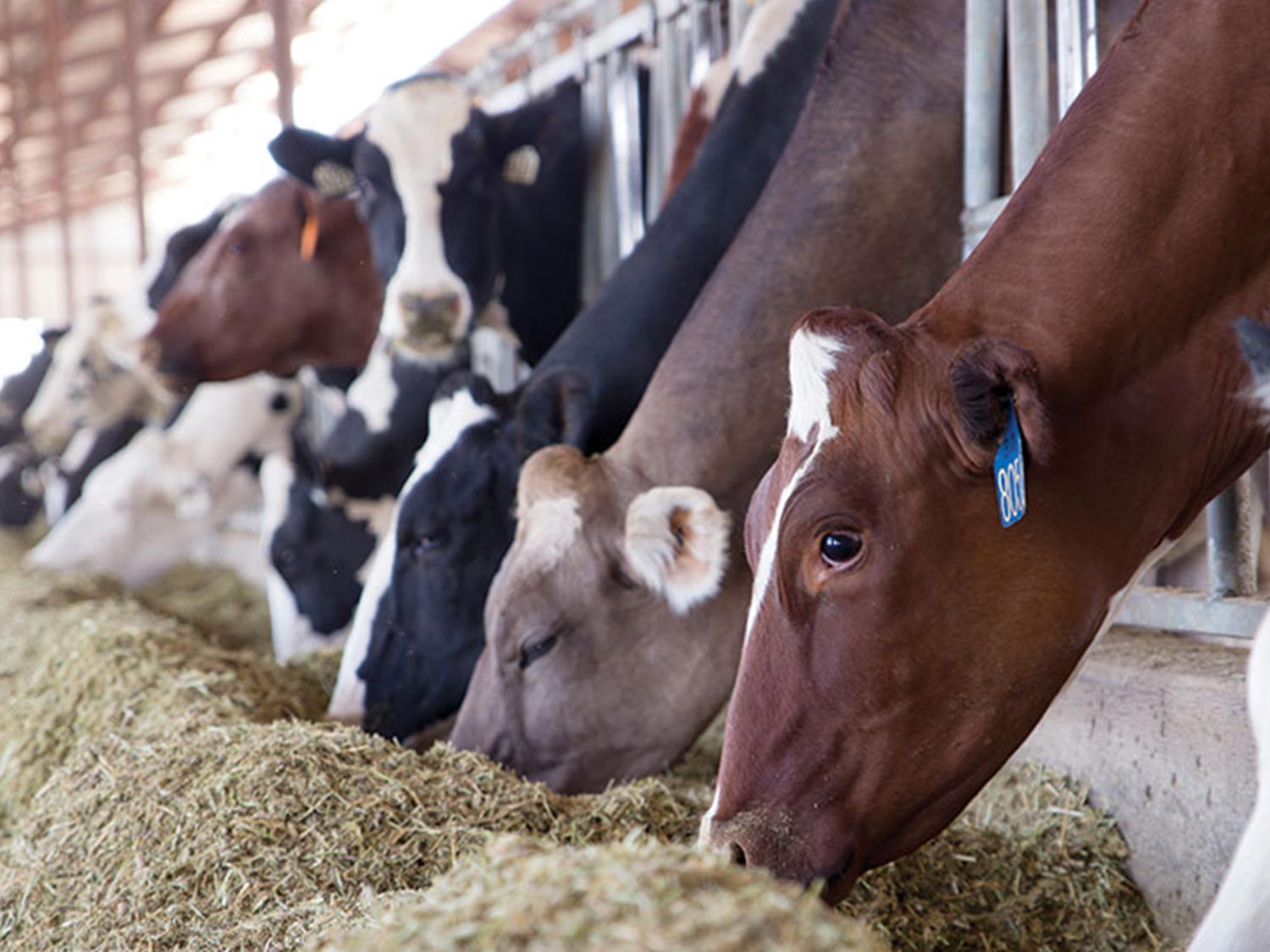
Animal feed is food supplied to domestic animals. The original distinguishes fodder supplied to animals from forage they obtain by grazing. Fodder includes hay, straw, silage, compressed and pelleted feeds, oils, mixed rations, sprouted grains and legumes. Maize and soybean are major feed ingredients; wheat, oats, barley, rice and sorghum are also discussed.
By-products & compound feed
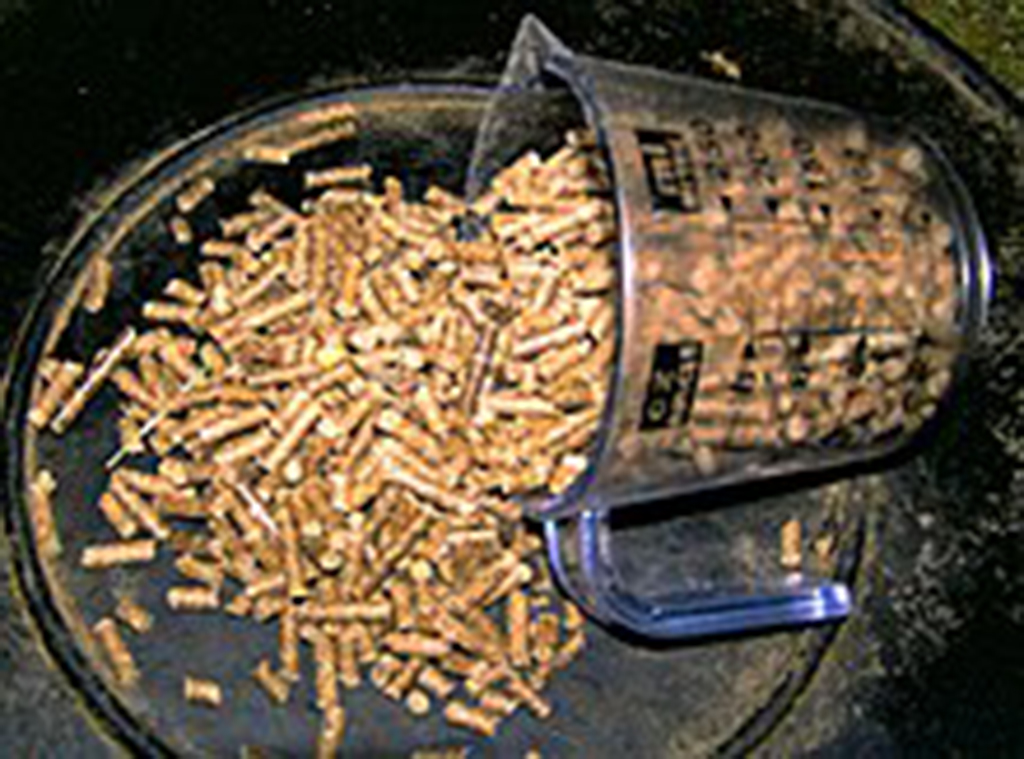
The original discusses household food residues and food-processing by-products, including milling residues, oilseed meals from peanuts, soy and corn, and brewer’s spent grain. It uses “slop” for scraps fed to pigs and “chicken scratch” for poultry. These are descriptions in the historical article, not a recommendation to use untreated food waste. Compound feeds combine raw materials and additives to meet the target animal’s requirements and can be made as meal, pellets or crumbles.
Premixes & balanced rations
Premixes supply small-quantity ingredients such as vitamins, minerals, preservatives and fermentation products for blending into complete rations. The historical article also lists antibiotics and refers to the US Veterinary Feed Directive. For Vietnam’s current preventive-antibiotic rules, use our Vietnam 2026 guide. A premix must be evaluated within the whole ration, including the farm’s own grains and other ingredients.
Forage & nutritional quality
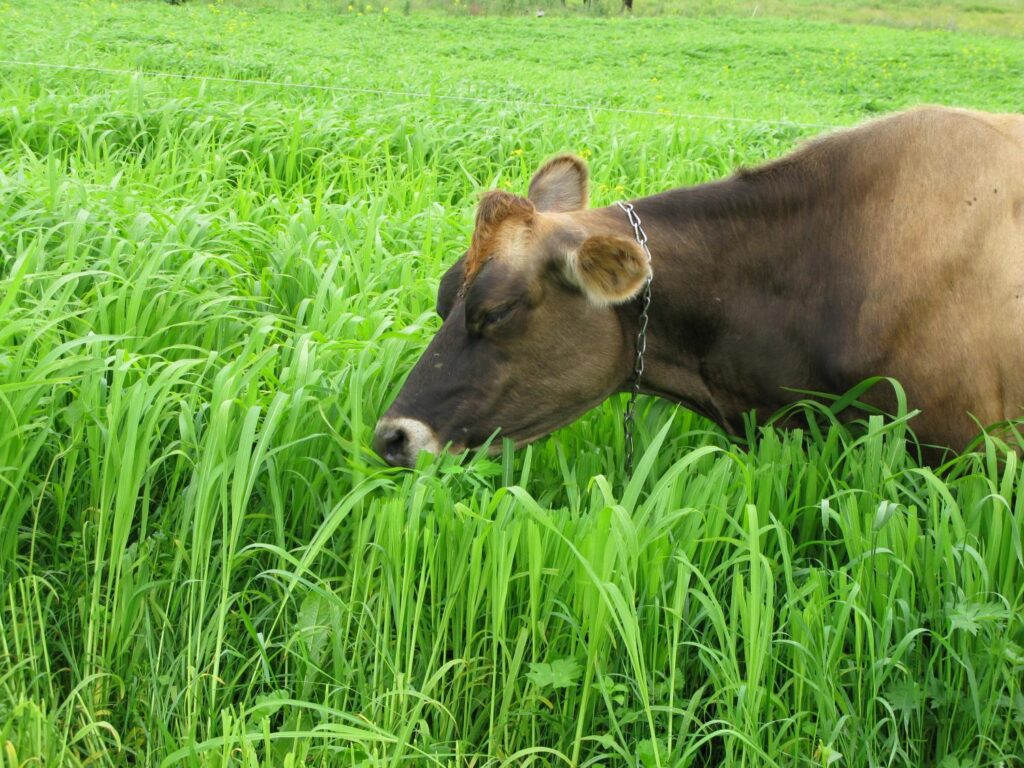
Forage refers mainly to plant leaves and stems eaten by grazing livestock, including pasture, crop residues and immature cereal crops. The term can also include similar materials cut and carried as hay or silage. Feed quality depends on nutrient content, presentation, hygiene, digestibility and intestinal effects. Concentrated supplements and feed additives can address defined nutritional gaps, while ingredient cost remains part of ration design. The original also mentions research into insects such as Coelopa pilipes as feed ingredients.
Historical figures in the original
These are dated examples, not current market estimates or product-performance targets: a 2008 BBC estimate cited approximately 8 kg grain per kg meat for cattle/sheep, 4 kg for pigs and 1.6 kg feed per kg chicken in efficient units, with some farmed fish lower still. The article describes the US as accounting for about half of maize trade and 40% of soybean trade before the 2012 drought. It cites roughly USD 20 billion in annual ingredient purchases, USD 23.2 billion US feed-crop receipts and USD 24.5 billion feed spending in 2001, and global feed output of 734.5 million tons in 2011. Definitions, dates and systems differ across these figures.
A brief industrial history
The article traces industrial feed production to late-19th-century advances in balanced nutrition and ingredient processing. It dates corn-gluten feed to 1882, the establishment of Purina by William Hollington Danforth to 1894, and Cargill’s move from grain trading (founded in 1865) into feed to about 1884. It also mentions Purina’s Canadian expansion, a 1927 feed mill and the 1928 introduction of Purina Checkers pelleted feeds. Several historical statements in the original are marked “citation needed”; they are retained here as the original article’s account.
Adapted from the original Biofeed Ras article. The feed and nutritionist articles include references to Wikipedia in the original; historical statements are retained with their context. Read the original & references ↗