Gut health
Probiotics and yeast in animal feed: how they differ and how to choose
Bacillus, lactic bacteria, live yeast, yeast cell wall and farm-made ferments are very different things. How to read the label and choose by goal.
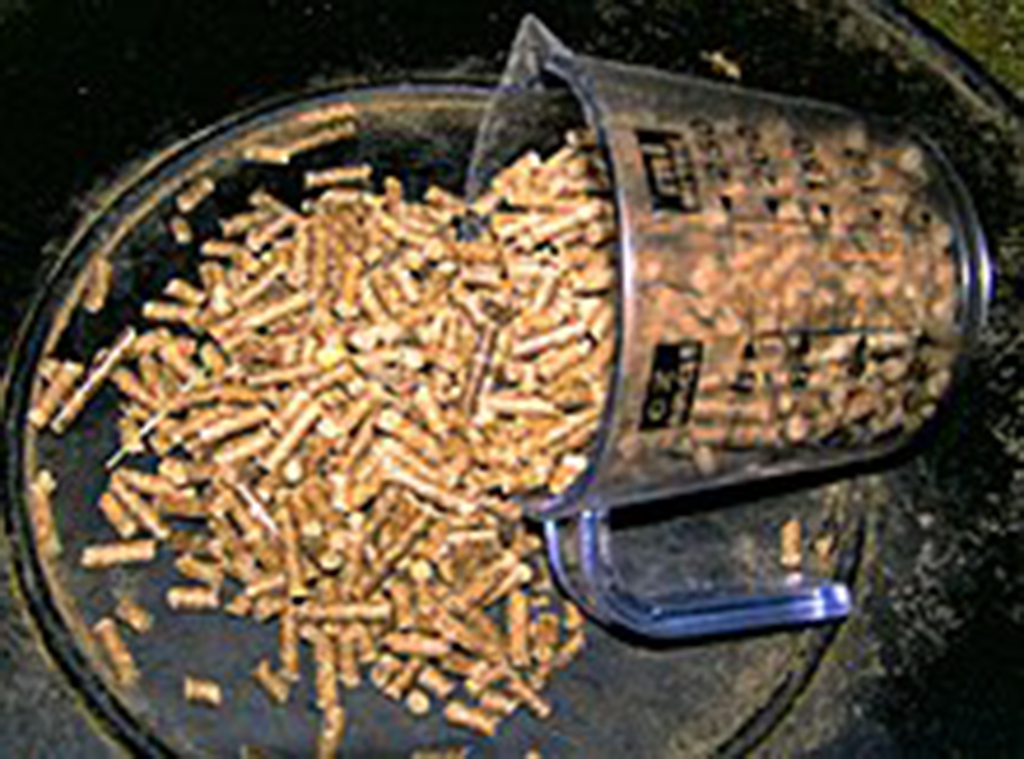
In Vietnam the word “men” covers many different products. Probiotics are live beneficial microbes such as Bacillus or lactic bacteria. Yeast products can be live yeast, yeast culture or yeast cell wall (MOS, β-glucan). Farm-made ferments are uncontrolled fermentation. Each works differently, so choose by goal, pelleting process and the specification on the label.
- Probiotics are live microbes; yeast cell wall is not alive but still acts in the gut.
- Bacillus spores survive pelleting well; lactic bacteria and live yeast need coating or post-pellet application.
- A good label gives the full strain name and viable count (CFU) to the end of shelf life.
- Farm-made ferments cannot replace a controlled product: unknown strains, unknown counts.
Contents
What gets called “men” in Vietnamese livestock?
There are three groups that differ in nature. Buyers often compare prices across groups without realising they do not replace each other.
How do probiotics and yeast products differ?
They differ in whether they are alive, how they survive processing and what they do in the gut. The table sums up what matters when choosing.
| Group | Form | Survives pelleting | Main role |
|---|---|---|---|
| Bacillus (B. subtilis, B. licheniformis) | Live spores | Well | Balances gut flora, produces enzymes |
| Lactic bacteria (Lactobacillus, Enterococcus) | Live cells | Poorly unless coated | Produce lactic acid, compete for attachment |
| Live yeast (S. cerevisiae) | Live cells | Moderate, needs coating | Supports digestion, especially in the rumen |
| Yeast culture | Need not be alive | Well | Supplies fermentation metabolites |
| Yeast cell wall (MOS, β-glucan) | Not alive | Well | Supports immunity, binds harmful bacteria |
Do probiotics die in the pellet mill?
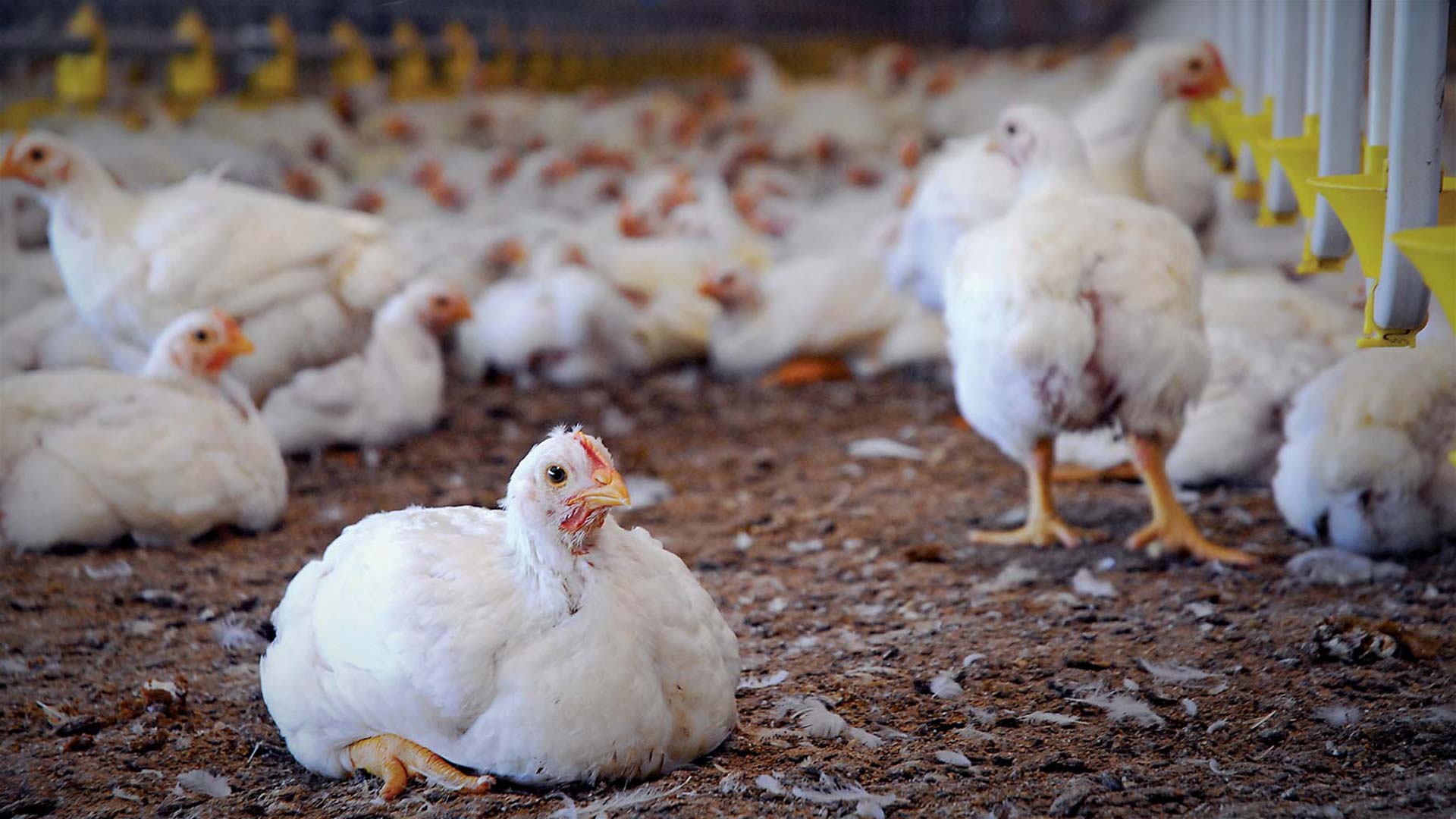
It depends on the type. Bacillus spores survive normal pelleting temperatures. Lactic bacteria and live yeast die easily at high temperature unless coated or applied after the press.
- Ask for pelleting data
Survival after pelleting at a stated temperature, such as 80 or 85°C, not just “heat-stable”.
- Know your own line
Compare with the real temperature at your die.
- Recount in finished feed
Send feed samples for CFU counts the first few times to confirm.
- Store dry and cool
Humidity and warehouse heat cut viable counts over time.
Want two probiotic products compared on the same basis?
Send the labels or spec sheets. We convert them to viable counts and cost per tonne of feed.
What should a good probiotic label show?
A complete label lets you compare products by live microbes per tonne of feed, not by price per kg.
| Information | Why it matters |
|---|---|
| Full strain name (genus, species, strain code) | Effects belong to the strain, not just the species |
| Viable count (CFU/g) to end of shelf life | Lets you work out the real dose per tonne |
| Enzyme activity with assay definition | Makes suppliers comparable |
| Pelleting stability and storage conditions | Shows whether it reaches the trough alive |
| Inclusion by species and stage | Avoids under-dosing or waste |
| Batch CoA, declaration code | Traceability and compliance |
In Vietnam, microbial products used in feed are feed additives: they must be declared before sale, and the strains must be on the permitted list.
How do you work out the microbial dose per tonne of feed?
Multiply the viable count on the label by the inclusion rate. This puts two products with different concentrations and prices on the same scale.
| Measure | Product A | Product B |
|---|---|---|
| Viable count on label | 1 × 10⁹ CFU/g | 5 × 10⁸ CFU/g |
| Inclusion | 1 kg/t | 1.5 kg/t |
| Microbes per tonne of feed | 1 × 10¹² CFU | 7.5 × 10¹¹ CFU |
| Microbes per kg of feed | 1 × 10⁹ CFU | 7.5 × 10⁸ CFU |
| Product price | VND 160,000/kg | VND 90,000/kg |
| Cost per tonne of feed | VND 160,000 | VND 135,000 |
| Cost per 10¹² CFU | VND 160,000 | VND 180,000 |
Illustrative figures.
This only compares products of the same group with similar strains. A Bacillus product and a lactic-bacteria product with the same CFU still do not replace each other.
Can farm-made ferments replace commercial products?
They should not be treated as a replacement. Fermented bran or bio-bedding may help for other purposes, but nobody knows which strains grow or how many, and harmful bacteria or moulds can take over.
Bio-bedding handles waste in the house; it is not a feed additive and gives no controlled dose of microbes to the gut.
Which type for which goal?
Start from the stage and the challenge in the ration, then the product.
| Goal | Usually considered | Product examples |
|---|---|---|
| Weaned piglets | Beneficial microbes + yeast + enzymes, organic acids | BioLAC, LIVEBIOS, RasACID-WAY |
| Chicks 1–21 days | Bacillus, coated lactic bacteria, MOS | LIVEBIOS |
| Hot season, ration changes | Yeast and yeast products | LIVEBIOS |
| Immune support | Yeast cell wall (MOS, β-glucan) | RasMOS, β-GLUCAN |
From our own range, LIVEBIOS combines S. cerevisiae yeast, coated lactic bacteria, Bacillus, MOS, β-glucan and nine digestive enzymes. The manufacturer states pelleting stability to 85°C. Published studies are in our research library, including a 2016 Ross 308 broiler study on gut microflora.
What should you ask when comparing two probiotic suppliers?
These six questions rule out most unsuitable products before you spend time on a trial.
- Which strains, which strain codes?
Full strain names, strain origin, and whether they are on Vietnam’s permitted list.
- What is the CFU at end of shelf life?
Not at manufacture. Ask for storage-stability data.
- How does it survive pelleting?
Survival at a stated temperature, with a test report.
- Is there a batch certificate?
A CoA for each lot, including microbial safety such as Salmonella.
- Studied in which animals?
Species, stage, numbers, year, and whether there was a control group.
- Cost per tonne and per unit of CFU?
Convert as in the table above before comparing prices.
Do pigs, poultry and cattle need different probiotics?
Yes. Each species has a different digestive tract, so the type of product that works differs too, even under the same general name.
| Species | Digestion | Usually favoured |
|---|---|---|
| Broilers | Short gut, fast passage, short production cycle | Heat-stable Bacillus, coated lactic bacteria, from day one |
| Piglets | Move from milk to dry feed, low stomach acid | Beneficial microbes with organic acids, enzymes, yeast |
| Sows | High intake, long stages | Yeast and beneficial microbes before farrowing and in lactation |
| Dairy cows | Rumen fermentation | Live yeast and yeast culture to support the rumen |
What are the common mistakes with probiotics in feed?
Most probiotic products fail because of how they are used, not because of the product itself.
- Comparing price per kg. A cheap product can cost more per unit of microbes.
- Adding a heat-sensitive product before pelleting. The microbes die before they reach the trough.
- Mixing with disinfectants or concentrated acids in a premix. Some components cut viable counts during storage.
- Using it too briefly. Gut flora needs time; judge over a full stage.
- Switching products constantly. There is never enough data to see what works.
Our view
- Name the product correctly. “Men” is not one thing; compare within a group.
- Compare CFU per tonne and cost per tonne, not price per kg.
- Check pelleting stability with data, and recount in finished feed the first few times.
- Judge it in a parallel trial on your own farm, at a stage with a real challenge.
FAQ
Are digestive enzymes and probiotics the same?
Not quite. Digestive enzymes are proteins such as protease, amylase and phytase; probiotics are live microbes. Many products combine both.
Can probiotics be used alongside antibiotic treatment?
Antibiotics can reduce beneficial bacteria. Ask your veterinarian about timing; yeast and Bacillus spores are usually less affected than lactic bacteria.
Can probiotics be given in drinking water?
Some products are designed for water. Check the instructions, solubility and line hygiene to avoid blocked drinkers.
How soon should results show?
Assess over a full production stage, for example weaning to about 25 kg in piglets, or a full broiler crop.
Do probiotics help with odour in the house?
Some products combine Bacillus with yucca extract to help manage ammonia and odour, for example BioODOR-AWAY. Results depend on ventilation and manure management.
Can probiotics be used for fish and shrimp?
Some products are used in aquaculture, but aquafeed has its own regulatory system. For example, the manufacturer recommends LIVEBIOS at 2 kg/t for fish and shrimp. Check the product is declared for aquaculture before use.
Do feed probiotics need refrigeration?
Most powdered feed probiotics are stored dry and cool, out of the sun, without refrigeration. Follow the label; humidity is what cuts viable counts fastest.
Is using several probiotic products together better?
Not necessarily. Combined products are designed so components do not compete; mixing several products yourself can duplicate functions and add cost without adding effect.
Sources
- Biofeed Ras: LIVEBIOS and BioLAC specifications from manufacturer documents; pelleting stability is a manufacturer statement.
- Ghasemi-Sadabadi M. et al. (2016), Ross 308 broilers, 378 birds: effect of LIVEBIOS on gut microflora. DOI 10.20490/ROAVS/16-026.
- Law on Animal Husbandry 2018 and Decree 13/2020/ND-CP: declaration of feed additives.
Technical information, not a substitute for veterinary advice. Biofeed Ras products are feed additives, not veterinary drugs.