01 / Beneficial microorganisms
Saccharomyces cerevisiae; Lactobacillus acidophilus; Lactobacillus casei; Bacillus subtilis; Bacillus licheniformis; Enterococcus faecium (called Streptococcus faecium in the older brochures).
 BIOFEED RASANIMAL NUTRITION
Probiotics + digestive enzymes
For feed mills and integrated producers reviewing digestive support in pig and poultry rations, with a separate ruminant formulation. Combines beneficial microorganisms, MOS, beta-glucans, digestive enzymes and chelated minerals.
A STARTING POINT FOR
Nutritionists and technical directors comparing a combined probiotic–enzyme supplement for pig, poultry or ruminant feed.
If you are reviewing everyday nutrition after Vietnam’s preventive-antibiotic phase-out, start with the feeding stage and the current diet. This formulation is a candidate for nutritional evaluation; define intake, growth, feed conversion and dose-based cost before comparing groups. Confirm activity through your feed process and storage conditions.
Keep biosecurity, vaccination and the veterinarian’s health plan in the evaluation. Product response must be assessed under your own conditions.
Vietnam 2026 · plan your technical review ↗Saccharomyces cerevisiae; Lactobacillus acidophilus; Lactobacillus casei; Bacillus subtilis; Bacillus licheniformis; Enterococcus faecium (called Streptococcus faecium in the older brochures).
Mannan-oligosaccharides and β-1,3/1,6-glucans from yeast/fungal cell walls. The brochure describes purified, micronized beta-glucans and lipid-coated colostrum. Colostrum is stated to contain approximately 20% total immunoglobulins; approximately 80% of these are IgG.
Nine enzyme entries are listed below. Iron, zinc, manganese and copper are included in chelated form.
Clinoptilolite, Yucca schidigera extract, Aspergillus oryzae fermentation extract and solubles, unidentified growth factors (UGFs), and molasses.
| Enzyme | Enzyme activity (U/kg of product) |
|---|---|
| Amylase | 10,500,000 |
| Protease | 1,000,000 |
| Cellulase | 480,000 |
| Lipase | 300,000 |
| Pectinase | 200,000 |
| Xylanase | 140,000 |
| β-glucanase | 140,000 |
| Lactase | 10,000 |
| Phytase | 0–70* |
These numbers describe enzyme activity in one kilogram of product. They are not an order quantity or a feeding dose. U = enzyme activity units; confirm the assay definitions and current guaranteed values with the supplier.
* Phytase is printed as “min. 0–70”. The source states that ruminant formulations contain no added phytase and incorporate extra cellulase. Confirm the assay units and current specification.
| Species / stage | kg per ton of feed* |
|---|---|
| Dairy: calf starter | 2 |
| Dairy: grower / dry cow | 1 |
| Dairy: lactating cow | 2 |
| Beef: calf feed | 1 |
| Beef: receiving ration | 2 |
| Sheep / goats / deer / horses | 1 |
| Swine: pre-farrowing / lactation | 2 |
| Swine: starter / grower / gestation | 1 |
| Swine: finishing | 0.5 |
| Poultry: chicks | 2 |
| Poultry: broilers / layers | 1 |
| Ducks / geese / turkeys | 1 |
The brochure also lists 5 g/calf/day in calf starter and 10 g/head/day for the other cattle applications; 10 g/head/day for sheep, goats, deer and horses. It recommends continuous inclusion through the feeding cycle. Select the formulation and dose with the supplier and your nutritionist.
* The original brochure uses “ton of feed” without defining its mass or the feed moisture basis. Confirm these with the supplier before converting rates or applying them to a ration.
| Parameter | Information in the supplied document |
|---|---|
| Yeast strains | CZ8810, CZ9201, CZ9820 |
| Other strain identifiers | L. acidophilus CZ103; L. casei PLC13; E. faecium PS303 |
| Processing claim | Microencapsulation; supplier reports pelleting tolerance up to 85°C. Confirm current retained activity for your process. |
| Strain quality claim | DNA profiling and bile tolerance up to 350 μg/mL, as stated in the brochure. |
| Appearance | Light to medium brown powder; yeast aroma; slightly hygroscopic. Approximate solubility: 8–9 g/100 mL. |
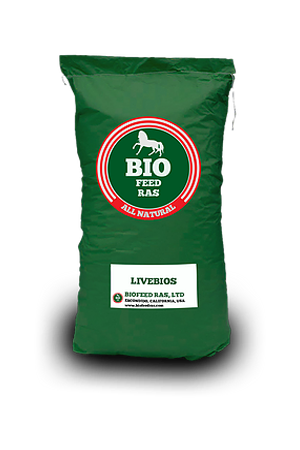
| Packaging | 25 kg multi-layer paper bag with polyethylene inner liner. |
| Shelf life in brochure | 24 months in original packaging. |
| Storage | Store in a cool, dry place, protected from direct sunlight and heat. Keep the inner liner tightly closed after opening. |
This brochure explains ingredients and proposed modes of action; it does not provide a controlled performance trial with sample size and statistical methods. Improvements in feed efficiency, growth, reproductive performance and digestive health are supplier-described objectives, not a guaranteed response.
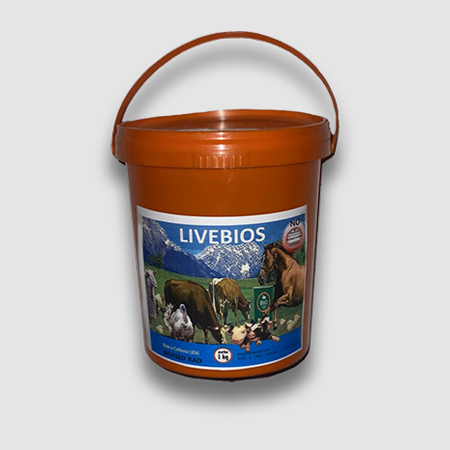
The original store lists 5 kg and 25 kg packs. Confirm the available pack, current price, minimum order and delivery terms for Vietnam.
The original website additionally explains competitive exclusion by lactic-acid bacteria through metabolites and receptor competition, and describes Bacillus subtilis spores in relation to gut colonisation and villus height. Its enzyme list includes hemicellulase; the supplied brochure lists a different enzyme panel. These descriptions should be reconciled against the current formulation.
Original product information ↗Historical studies from the original website are available with design notes and the complete PDFs.
Request the current species-specific specification, viable microorganism counts, batch certificate of analysis, enzyme assay methods and pelleting/storage stability data.
Original manufacturer document in English. Page numbers refer to PDF order.
THE NEXT STEP
Share your ration, species and objectives so the next step is specific.