Piglets
Weaned piglets: supporting the gut with nutrition when preventive antibiotics are gone
Why the first week after weaning is hardest, five things nutrition can do, and when to call the vet.
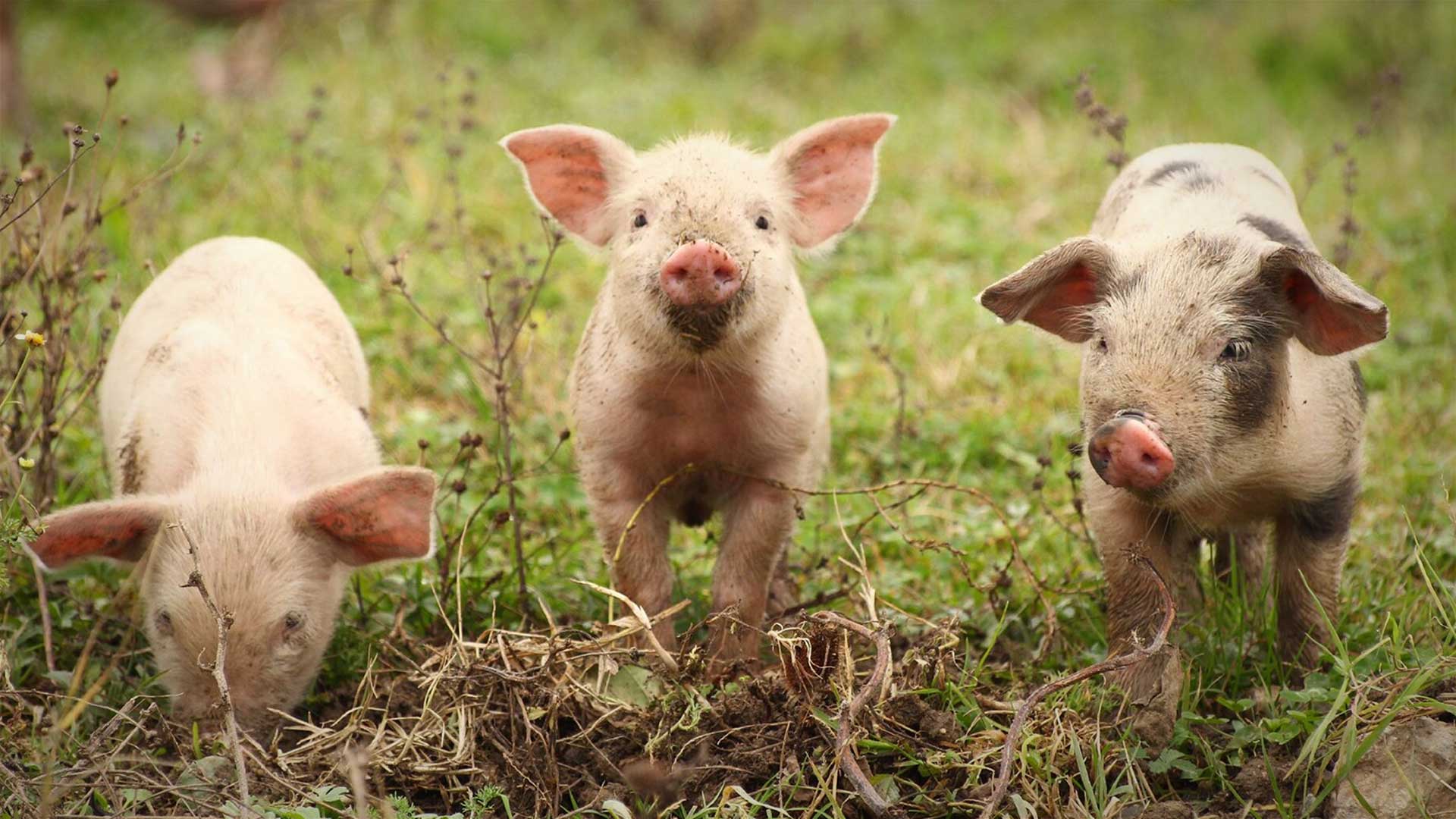
Weaning is the biggest change in a piglet’s life: from sow milk to dry feed, separation, mixing, and an immature gut. Intake in the first three days shapes gut health over the next three weeks more than anything else. Without preventive antibiotics, nutrition supports the piglet by getting it eating early, keeping the ration digestible, and adding beneficial microbes, organic acids and enzymes.
- The first week after weaning is the highest-risk period; goal number one is early, even eating.
- A digestible ration with moderate crude protein reduces undigested protein fermenting in the hindgut.
- Organic acids, beneficial microbes, yeast and enzymes are the main nutritional tools.
- Persistent diarrhoea, refusal to eat and fever are for the vet, not for a feed additive.
Contents
Why is the first week after weaning the hardest?
Many changes happen at once. Piglets eat little in the first days, the gut lining is affected, and the stomach does not yet produce enough acid to digest plant protein and hold back harmful bacteria.
Does a weaning programme start with the sow?
Yes. How well a piglet copes with weaning depends largely on its three to four weeks with the sow: colostrum intake, weaning weight and early creep feeding.
- Colostrum in the first 24 hours supplies antibodies; piglets that drink little colostrum are usually weaker at weaning.
- Weaning weight is a good predictor of resilience: light piglets need separate care after weaning.
- Late-gestation and lactation nutrition shapes milk yield and quality. Many programmes add beneficial microbes and yeast to the sow ration from before farrowing.
For example, the manufacturer recommends LIVEBIOS at 2 kg/t for sows before farrowing and in lactation, and 1 kg/t for piglets in the starter stage. Your nutritionist should adjust the exact level to your ration.
Building an antibiotic-free weaning programme?
Send the weaning age and the creep and post-weaning rations. We suggest nutritional support and how to measure it.
What can nutrition do for weaned piglets?
Many farms and mills use the five levers below together. None works well on its own.
- Creep feed before weaning
Offer creep feed from about 7–10 days before weaning, using the same feed as after weaning, so piglets know the taste.
- Easy water and trough access
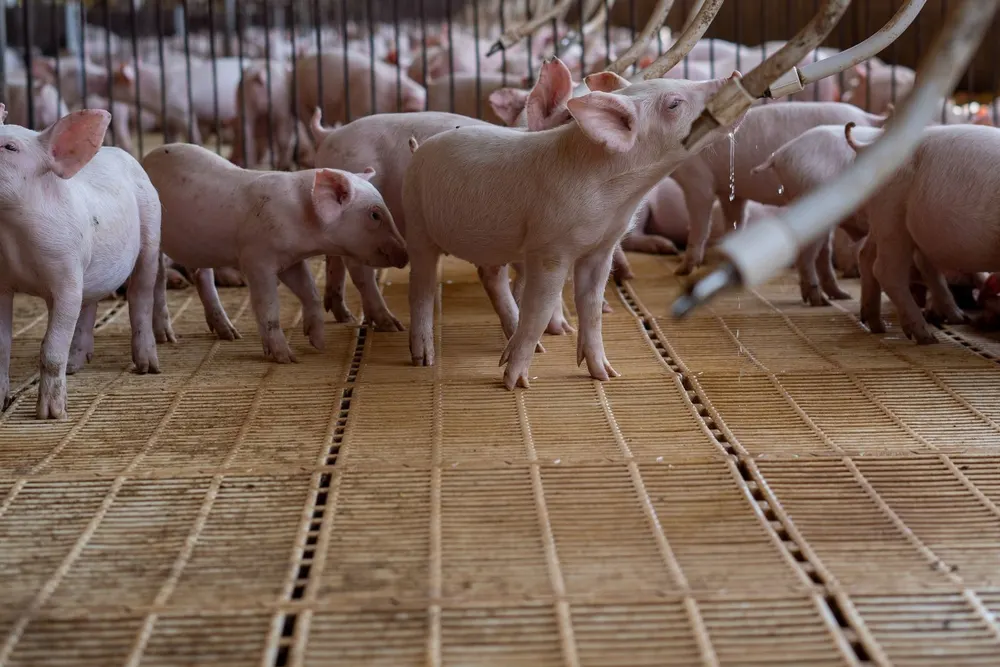
Newly weaned piglets often look for water first. Check drinker flow and add extra trays for the first days.
- A digestible ration
High-quality ingredients, moderate crude protein balanced with synthetic amino acids, gradual ration changes.
- Organic acids
Help lower stomach pH and improve protein digestion while the piglet produces too little acid.
- Beneficial microbes, yeast, enzymes
Support gut flora balance and digestion through the transition.
Which ingredients should the post-weaning ration favour?
Newly weaned piglets digest milk sugar and highly digestible protein well, but cope poorly with raw plant protein and unprocessed starch. Choose ingredients for what an immature gut can digest.
| Group | Why | Watch |
|---|---|---|
| Milk sugar sources (whey, lactose) | Familiar, digestible, palatable | Reduce with age; costly |
| Digestible protein (fermented or concentrated soy protein, quality fishmeal) | Fewer anti-nutritional factors, better digested | Check freshness, salt, toxins |
| Heat-processed cereals (extruded, gelatinised) | Starch easier to digest than raw grain | Control corn mycotoxins |
| Soybean meal | Cheap protein | Limit in week one: soy antigens trigger reactions in the small intestine |
| Selected fibre (oat hulls, moderate wheat bran) | Supports gut motility and flora | Low levels; too much fibre lowers energy |
| Digestible oils and fats | Raise energy density when intake is low | Piglets digest animal fats less well than vegetable oils |
Test every lot of corn and oilseed meal for mycotoxins before it goes into piglet feed: piglets are the most sensitive to aflatoxin (30 µg/kg limit under QCVN 01-183:2016). Sampling and reading results are covered in mycotoxins in animal feed.
What should happen day by day?
A simple plan for the farm team. Adjust it to your weaning age and housing.
| When | Main action | Watch |
|---|---|---|
| 7–10 days before | Creep feed, same feed as after weaning | Which piglets are eating |
| Days 0–3 | Water, house temperature, small frequent meals | Intake, non-eaters |
| Days 4–7 | Keep the ration, no sudden changes | Faeces, uniformity |
| Days 8–14 | Change rations gradually over 3–5 days | Gain, intake |
| Day 15 to 25 kg | Next-stage ration | FCR, mortality, cost |
Which measures show whether the programme works?
Five simple measures, recorded per pen, are enough to see whether weaning is going well. Compare against your own farm baseline, not against figures from elsewhere.
| Measure | How | Why it matters |
|---|---|---|
| Intake days 0–7 | Weigh feed in and leftovers daily | Predicts gain and gut health |
| Gain to 25 kg | Weigh at start and end, per day | The final result of the programme |
| Uniformity | Share of pigs within ±10% of the mean weight | Even groups are easier to manage and sell together |
| Days with loose faeces | Count per pen, per day | Flags problems early for the vet |
| Mortality and culls | Record date, pen and cause | The largest cost of the weaning stage |
Does a weaning support programme pay?
The simple method: compare the additive cost for the whole stage with the value of pigs saved and extra gain. The table uses illustrative figures to show the method.
| Item | Calculation | Result |
|---|---|---|
| Feed per pig, weaning to 25 kg | about 27 kg | 27 tonnes for the group |
| Additive cost | 1 kg/t × VND 150,000/kg × 27 t | VND 4.05 million |
| Mortality down from 3% to 2% | 10 pigs × VND 1,500,000 | VND 15 million |
| Difference | before gain and uniformity | +VND 10.95 million |
Illustrative figures.
In this example the break-even is about 3 pigs saved per 1,000. That is why recording mortality by pen matters as much as choosing the product.
What about high-dose zinc oxide?
High-dose zinc oxide was widely used for weaned piglets. The European Union stopped its use at pharmacological doses from June 2022 over environmental and antimicrobial-resistance concerns.
In Vietnam, check the current rules and your veterinarian’s advice before using it. Either way, the direction is to depend less on high-dose zinc through a combined nutrition and management programme like the one above.
What are the common mistakes when piglets come off preventive antibiotics?
Most failures come from how the programme is applied, not from the product. These five come up most when farms move to antibiotic-free weaning.
- Dropping antibiotics but keeping the old ration. Rations that relied on antibiotics often carry high crude protein and a lot of soybean meal.
- Changing the ration on weaning day. Two big changes at once make piglets refuse feed for longer.
- Not measuring intake in the first days. Without data you cannot see where the problem is.
- Using one product and expecting it to do everything. Additives support; they do not replace water, house temperature and biosecurity.
- Judging after one batch against last year. Weather and disease differ between years; compare in parallel.
When should you call the veterinarian?
Feed additives support nutrition; they do not treat disease. Call the vet as soon as you see the signs below.
- Diarrhoea lasting more than one or two days, or spreading across pens.
- Piglets refusing feed, piling, fever, dehydration.
- Mortality rising compared with previous batches.
Record the date, pen and number of piglets affected. It helps the vet diagnose, and helps you judge the nutrition programme fairly.
Our view
- Intake on days 0–3 is metric number one. Measure it before judging any product.
- Combine, don’t rely on one lever. Creep feed, water, a digestible ration and additives together.
- Never change the ration on weaning day. Space changes at least a few days apart.
- Keep roles clear: nutrition supports, the veterinarian diagnoses and treats.
FAQ
At what age should piglets be weaned?
It depends on the farm system. Later-weaned piglets usually have a more developed gut; agree the age with your vet and nutritionist.
Should crude protein be reduced after weaning?
Many programmes lower crude protein moderately and add synthetic amino acids to meet requirements, to reduce undigested protein reaching the hindgut.
Are organic acids given in feed or water?
Both exist. Some products, such as RasACID-WAY, can go in drinking water; check the instructions and the lines.
How long before results can be judged?
From weaning to about 25 kg, in parallel with a control group, on intake, gain, uniformity and cost per kg of gain.
How much water does a weaned piglet need?
Needs rise with weight and temperature. In practice, what matters more is enough drinkers per pen, steady flow, and clean, cool water checked daily in week one.
Should newly weaned piglets get wet (gruel) feed?
Some farms use it for the first few days to get piglets eating sooner. Refresh it often, because wet feed spoils fast, especially in hot weather.
Sources
- Decree 13/2020/ND-CP, Article 12 (2026 consolidated text): piglets up to 25 kg or 60 days.
- Department of Livestock Production and Animal Health: 2025 pig feed output, via Chăn nuôi Việt Nam (21 Jan 2026).
- European Commission: end of pharmacological-dose zinc oxide in pig feed from 26 June 2022.
- Biofeed Ras: BioLAC, LIVEBIOS, RasACID-WAY specifications from manufacturer documents.
Technical information, not a substitute for veterinary advice. Biofeed Ras products are feed additives, not veterinary drugs.